

Copper vs CCA Ethernet Cable: Performance, Safety & Cost
Choosing the right Ethernet cable is essential for building a reliable network. While solid or stranded copper cables are widely used in professional installations, Copper-Clad Aluminum (CCA) cables are often marketed as a cheaper alternative. Although both types may look similar from the outside, their differences in performance, safety, and...
Continue Reading
Cat6 vs Cat6A: Speed, Distance, Cost & Installation Differences
Choosing between Cat6 and Cat6A Ethernet cable can be challenging when planning a home network, office installation, or commercial cabling project. Both cable categories support high-speed Ethernet, but they differ in bandwidth, maximum distance for 10Gbps connections, construction, cost, and installation requirements.
Cat6 is a popular choice for everyday networking because...
Continue Reading
Plenum vs PVC Ethernet Cable: What's the Difference?
Plenum vs PVC Ethernet Cable: What's the Difference?
Choosing the right Ethernet cable involves more than selecting Cat5e, Cat6, or Cat6A. You also need to consider the cable jacket, especially when installing network wiring inside commercial buildings, offices, schools, or homes. Two common options are plenum-rated Ethernet cable and PVC-jacketed...Cat5e vs Cat6 vs Cat6A: Which Ethernet Cable Should You Choose?
Choosing the right Ethernet cable can have a major impact on the performance, reliability, and long-term value of a network. Whether you are setting up a home office, upgrading a business network, installing security cameras, connecting wireless access points, or designing a larger commercial infrastructure, the cable category you choose...
Continue Reading
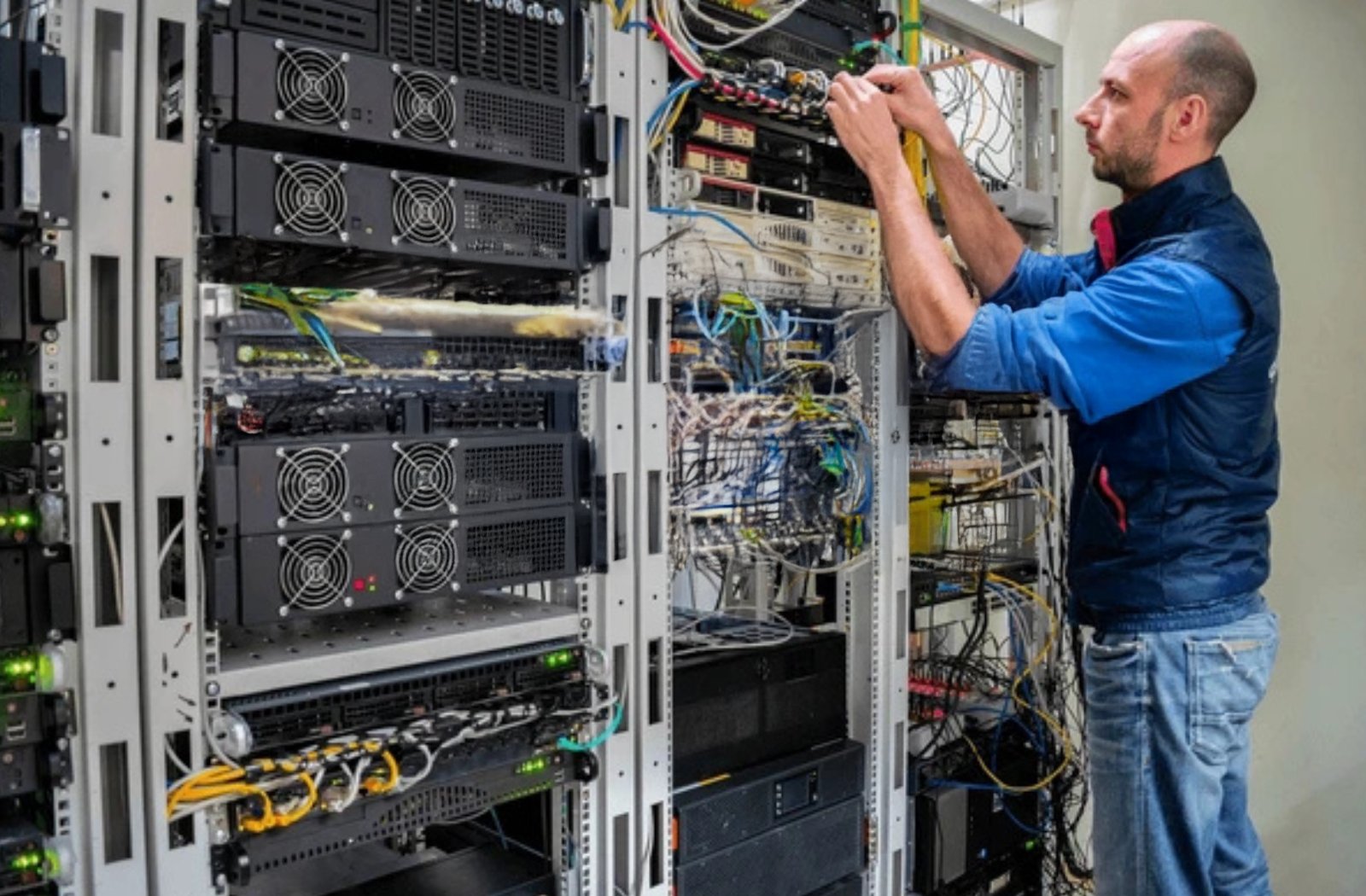
How to Choose the Right Category of Ethernet Cable for Your Network
The Ethernet cables are the backbone of most wired networks, providing reliable and high-speed data transmission for homes, offices, and data centers. However, with so many categories of Ethernet cables available, choosing the right one can be a daunting task. The category of Ethernet cable you select will directly impact...
Continue Reading

Top 5 Tips to Upgrade Your Networking Cables for Better Performance
In today’s fast-paced digital world, a reliable and efficient network is essential for both personal and professional activities. Whether you’re streaming high-definition videos, working from home, or managing a business network, the quality of your networking cables plays a crucial role in ensuring smooth and uninterrupted connectivity. Upgrading your networking...
Continue Reading

The Evolution and Importance of Ethernet Networking in the Digital Age
In today’s hyper-connected world, Ethernet networking remains the backbone of modern communication and data transfer. From homes and small businesses to large enterprises and data centers, Ethernet technology has proven to be a reliable, scalable, and efficient solution for networking needs. As we navigate the digital age, understanding Ethernet networking—its...
Continue Reading

What is Ethernet Connectivity?
Ethernet connectivity has been a cornerstone of networking for decades, providing a reliable and efficient way to connect devices and transfer data. As the digital landscape continues to evolve, Ethernet remains a critical technology for homes, businesses, and industries. Its widespread adoption is due to a combination of features that...
Continue Reading

The Ultimate Guide to Cat6 Plenum Cable Updated Insights
In the ever-evolving world of networking and data transmission, the importance of high-quality cabling cannot be overstated. Among the various types of Ethernet cables available, Cat6 Plenum cable has emerged as a popular choice for both residential and commercial installations. With the increasing demand for faster and more reliable internet...
Continue Reading